
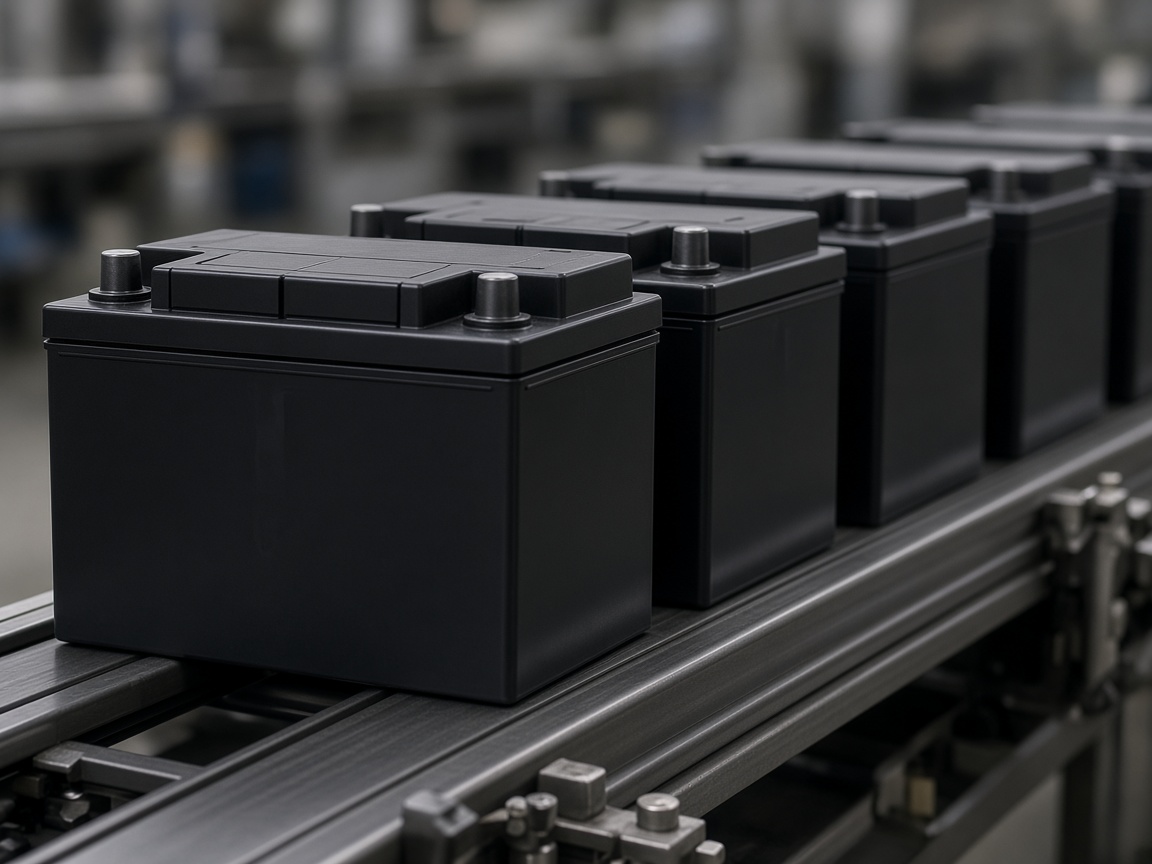
Cell
Batteries
Case and terminals are named before the battery is stood on the belt.
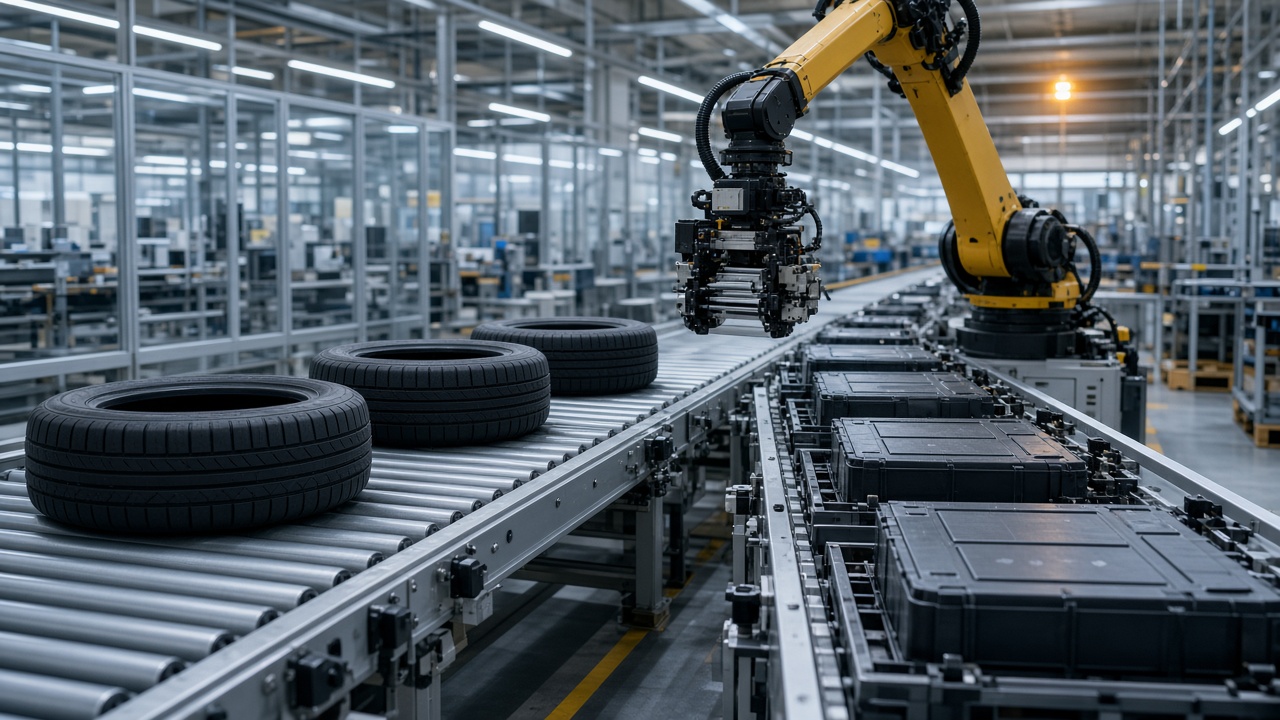
GUANXIEPAO LIMITED buys and sells batteries, tires, automotive parts and accessories. An automated line packs and checks each lot before the next sale.
See the lineGoods
Each kind of goods keeps its own place on the sheet. The line reads that sheet, not a mixed pile.
Cell
Case and terminals are named before the battery is stood on the belt.
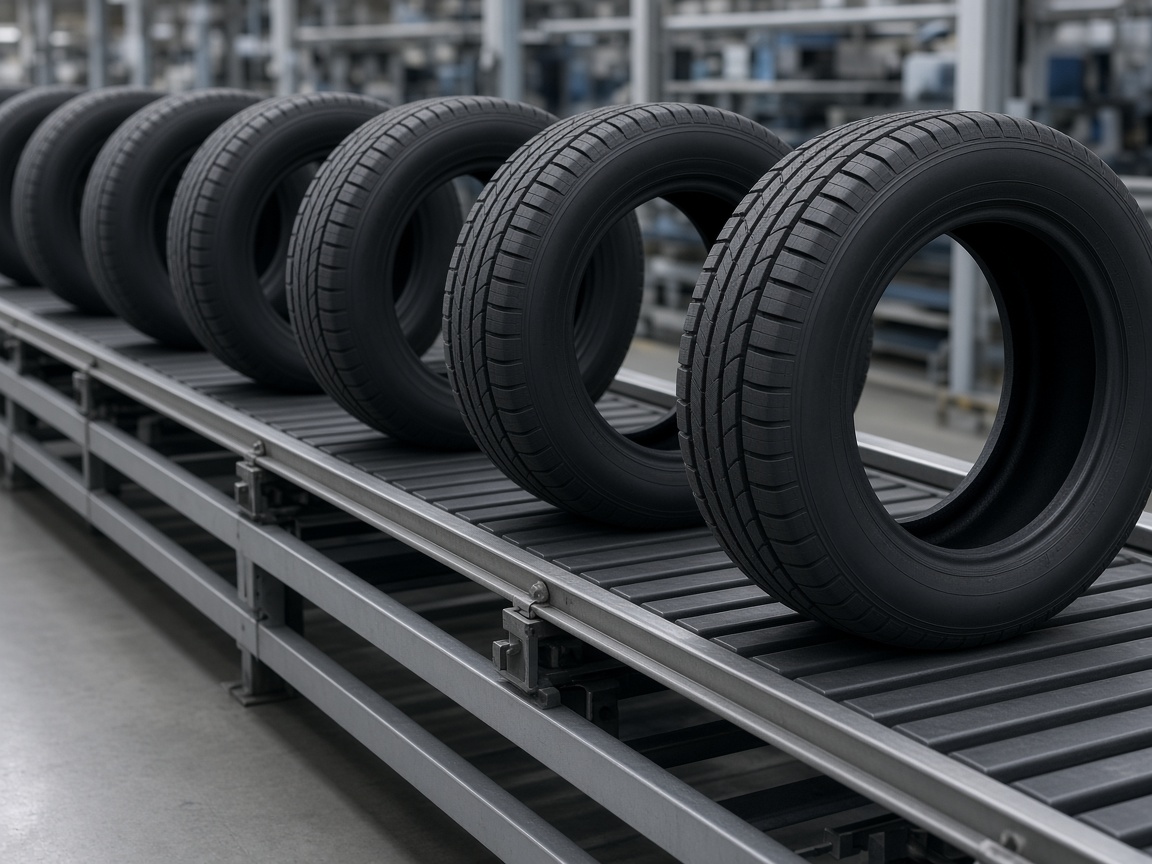
Round
Size and count travel with the tire. A tire without a size stays off the line.
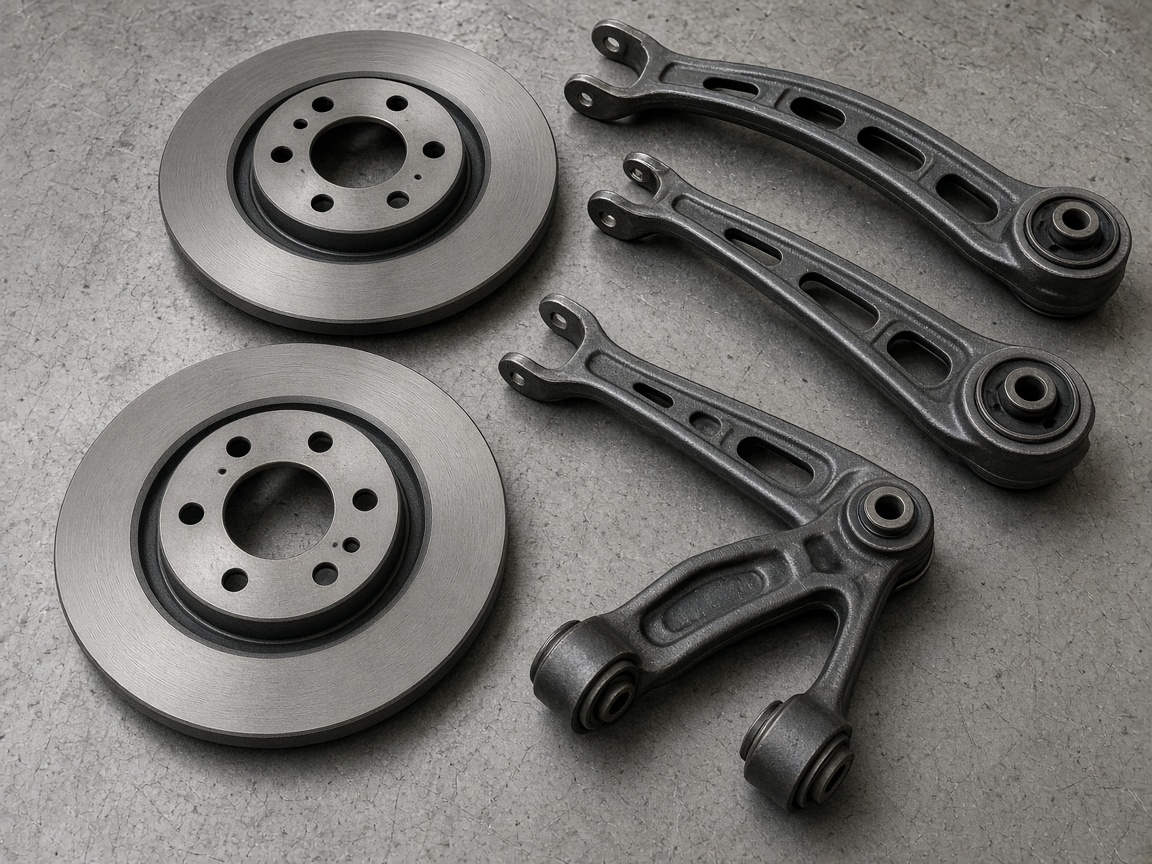
Metal
Brakes and suspension stay in the fixture written for that part.
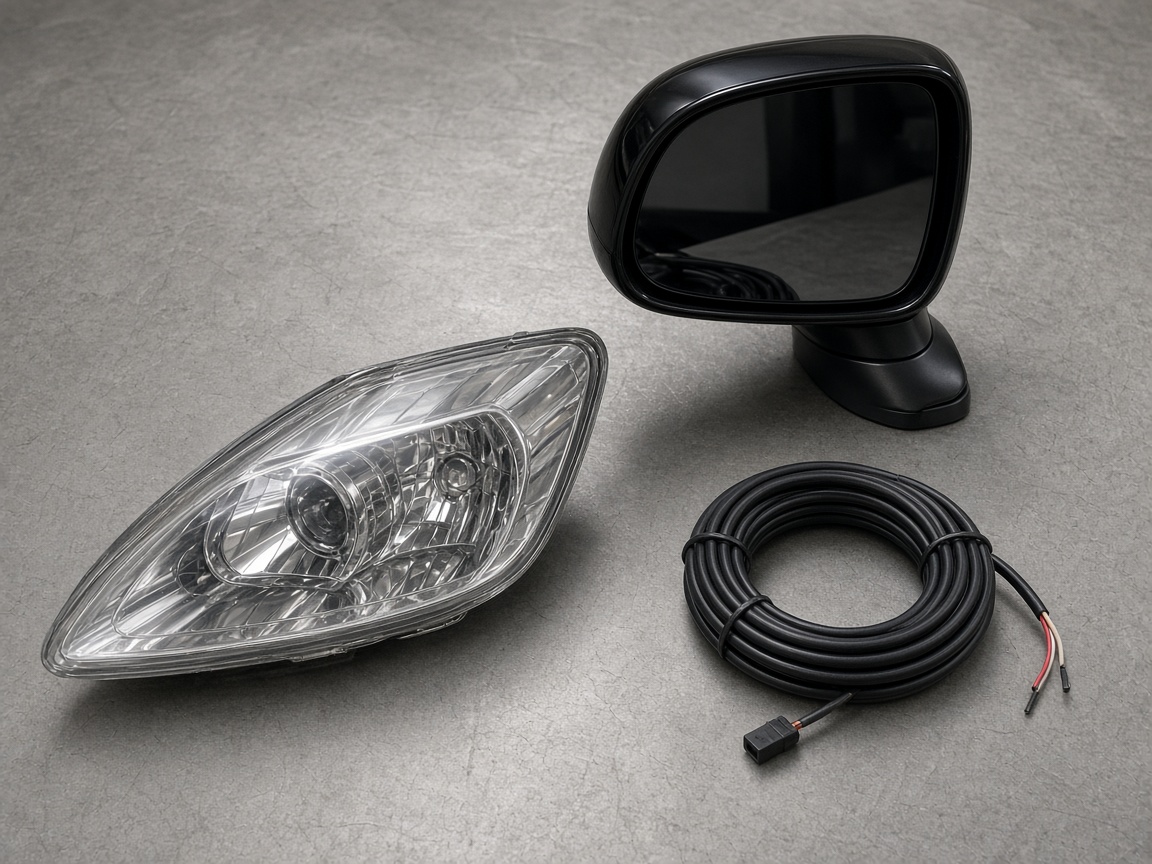
Trim
Lamps, mirrors, and looms are listed beside the parts they follow.
Lanes
Batteries, tires, parts, and accessories do not share a belt until each kind has its own lane and the sheet can name it.
Battery cases stand here. A tire is not rolled onto this belt.
Tires stay on their rollers until size and count are read.
Brakes and arms sit in the nest written for that part.
Lamps, mirrors, and looms stay in a tray of their own.
Lot sheet
The automated line does not pick a piece until the sheet names the case, the size, the count, and the route.
The battery case, or the part body, is the one the fixture is set to hold.
Tire size and part size are written in the same row as the count.
The number on the sheet is the number the crate is allowed to hold.
The next station is named. A lot without a route does not leave the belt.
Automated line
The production line handles one lot at a time. The next battery, tire, or part waits until this crate has been confirmed.
The piece arrives in a known pose. The fixture has to read it before the arm moves.
The arm puts the piece in the place the sheet named. A gap in the count holds the station.
Pose, count, and route have to match. A miss keeps that crate where it is.
The lot moves on only after confirm. The belt ahead has to be empty.
Reject
The arm does not set a piece the station cannot read. That piece leaves on a side lane and the lot stays open.
A piece the fixture cannot see is pushed aside.
One piece over the count does not go into the crate.
A mark the station cannot read keeps that piece off the lot.
The side lane holds it until the sheet is written again.
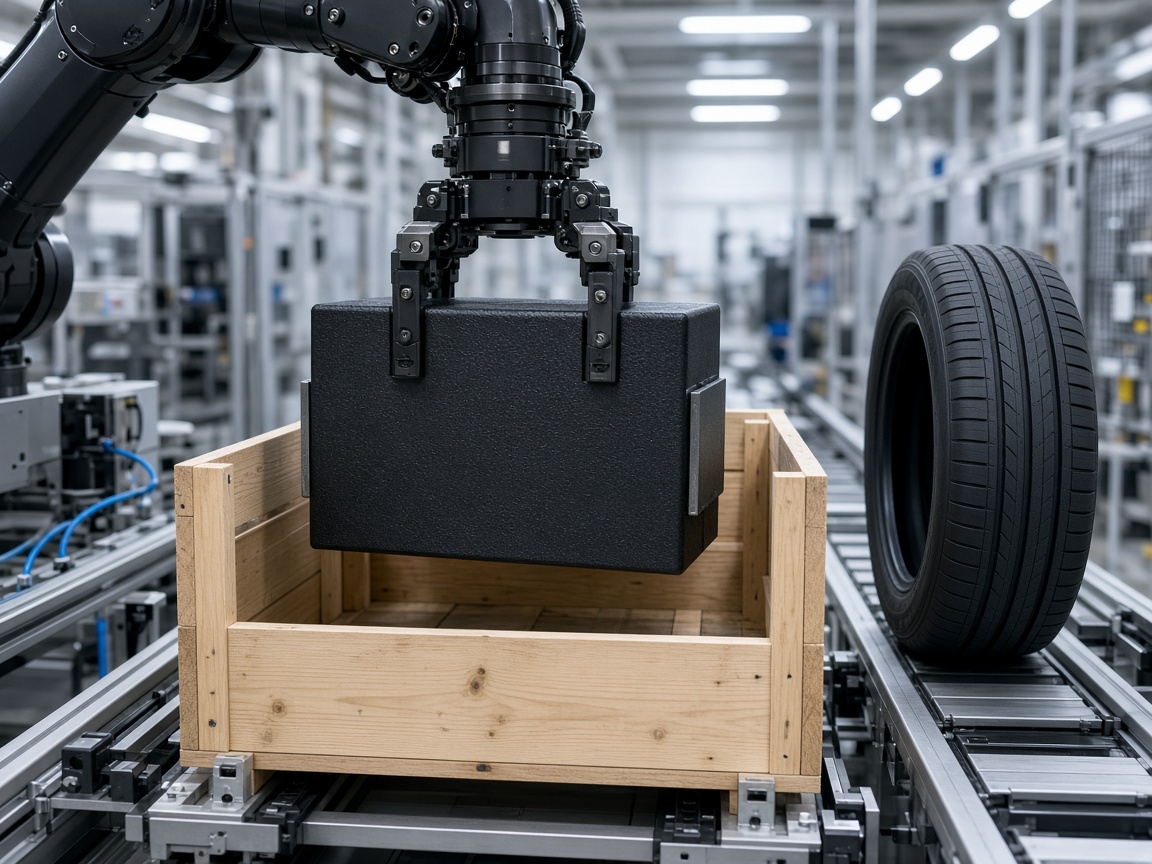
Handoff
The arm and the next station both have to read the same state. One yes is not enough to move the crate.
Set has finished and the arm is clear of the crate.
The place ahead is empty before the crate rolls.
The crate stays clamped until the receiving station takes it.
A second lot is not sent down the same belt.
Seal
Confirm is not the last step. The lid, the band, and the mark have to be on the crate before the outfeed moves.
The lid sits flush. An open crate stays at the station.
A band goes around the crate only after the lid is down.
The mark is the one the next station is allowed to read.
The sealed crate waits until the belt ahead is empty.
Control
The line is specified with the machines around it. Motion is allowed only while the doors, the sensors, and the count agree.
Doors stay shut while the arm is in cycle. An open door takes motion away.
Piece present, lid closed, and tool clear have to agree before the next move.
A short count or a bad pose keeps that lot on the line.
One stop halts every station on the shared belt, so the next lot is not fed.
Clear
The next battery, tire, or part is presented only after the last crate has left and the stations report empty.
The last crate is off the rollers. The place it left reads empty.
Guards are shut again. The arm stays still while a door is open.
Every station on the lot reports clear before the next piece is presented.
Enquiry
Write the batteries, tires, parts, or accessories, and how the stations should hand the crate on. The reply comes by email.